


Gabriela Kopalová
Painless care, minimising fear and pain
At our clinic, we offer several treatment options in cooperation with our anaesthesiology team. These methods can be used to treat patients who have limited ability to cooperate due to their health condition or age, including children with intellectual disabilities, autism or other disadvantages.

Our own anesthesiology team
Experienced anesthesiologists and nurses with hospital experience
Individual choice of method
We suggest the most suitable method based on the patient’s health, age, and mental well-being.

Maximum comfort and safety
Patient monitoring throughout the entire procedure.


You most often discuss with us
Our goal is to ensure that every treatment is safe, painless, and free of negative experiences. In cooperation with our experienced anesthesiology team, we offer a wide range of methods for pain and stress relief.

General anesthesia in adult patients
A comfortable solution for more demanding procedures or anxious patients. Thanks to our own anesthesiology team, we perform treatments under general anesthesia safely, gently, and in a controlled environment. The patient sleeps during the procedure and feels no pain or stress.


General anesthesia in pediatric patients
A safe and comfortable solution for children who are uncooperative, have increased anxiety, or have special health needs. Thanks to our experienced anesthesiology team, treatment under general anesthesia takes place in a calm and controlled environment, where the child sleeps during the procedure and feels no pain or anxiety.

Treatment with nitrous oxide
The ideal choice for children and adults who feel tense or afraid of dental treatment. A mixture of nitrous oxide and oxygen induces a state of pleasant relaxation and helps reduce pain perception. Throughout the procedure, the patient remains conscious, cooperative, and inhales the gas through a nasal mask.

Intravenous analgesic sedation
Sedation under specialist supervision. This method is suitable for adult patients with a higher level of fear or sensitivity, or for longer procedures. Controlled intravenous administration of sedatives reduces stress and pain, while the patient remembers little or nothing of the procedure.


Sedation with Midazolam
A mild form of medication that is taken orally before the procedure and helps the patient feel calm, relaxed, and fearless. Midazolam induces short-term amnesia and reduces the perception of stress and pain—it is often used in children or patients with previous negative experiences.
Client reviews
⭐️⭐️⭐️⭐️⭐️ for Dr. Ingriš and hygienist Ms. Boučková
I discovered the CLINIQ Dejvice clinic in 2023 when I urgently needed to find a new dentist. My previous dentist stopped communicating with me and, due to my congenital diagnosis of spinal muscular atrophy and the need for lung ventilation, was always afraid to treat me and sent me straight to the hospital every time. If you are looking for top-quality dental care that is tailored to the individual needs of the patient, Cliniq Dejvice is the best choice.
Thank you! ❤️

I can only recommend them! A big thank you to everyone for the professional and sensitive care ♥️ you gave our son.

Renata Doležalová
Today, my son (6 years old) and I visited this clinic for cavity treatment, specifically with Dr. Anna Jiříčková. I must say that I have never experienced better service in healthcare, not even in movies :-). Many thanks to the doctor, nurses, and the entire staff.
The doctor is an empathetic professional. She treated two teeth during one visit, and my son didn't even notice anything was happening. Unfortunately, our previous experience with another doctor was very bad – my son was not prepared for the procedure in any way, no one explained anything to him, and the anesthesia was applied insensitively and without numbing gel. After this experience, he refused to sit in the chair again.
I was very lucky to discover CliniQ Dejvice, and thanks to that, we now have peace of mind. We have enormous respect for the entire team, and we are already looking forward to our next visit and the continuation of treatment.

Efremov Artem
In my opinion, one of the best dental clinics in Prague. Professional doctors, pleasant approach to patients, modern environment. They saved a tooth that I would probably have lost at my previous dentist 🙂… I also take my children to the pediatric department here. If your children are afraid of the dentist, I guarantee that they won't be afraid here. The doctors are very kind to children, they offer them a fairy tale during the examination, and they can even make the visit more enjoyable by playing in the children's corner. I can only recommend it to everyone! 🙂

Andrea Medynská
Price list
We determine a detailed price and treatment plan based on an initial examination, evaluation of X-rays, and other diagnostic options, if necessary. A detailed price list is available at the reception desk of CLINIQ.
Midazolam
Midazolam is a drug that keeps the patient calm and relaxed during treatment. It often makes the patient sleepy and unable to remember the procedure, while allowing them to breathe on their own.
from 3,500 CZK / 143 €
Baldus nitrous oxide
Baldus is a modern system for administering nitrous oxide, which ensures maximum safety and precision during sedation. The patient remains calm and relaxed throughout the procedure, breathing independently while remaining conscious. The effect sets in quickly and wears off immediately after sedation ends. It is an ideal and very well-tolerated method, especially for children.
from 2 500 CZK / from 102 €
General anesthesia
General anesthesia allows treatment to be performed in complete peace, as the patient sleeps throughout and is unaware of anything. It is suitable for more demanding procedures or where treatment under local anesthesia is not possible. The price quoted applies only to the anesthesiology part of the treatment.
from 15,000 CZK / from 612 €
Analgesic sedation
Analgesic sedation is a combination of sedatives and painkillers that keeps the patient relaxed and sleepy during the procedure and prevents them from remembering the treatment. It is a sedative state in which the patient breathes independently throughout the procedure. It is suitable for anxious patients and more complex procedures.
The price quoted applies only to the anesthetic part of the treatment.
from 9,000 CZK / from 367 €
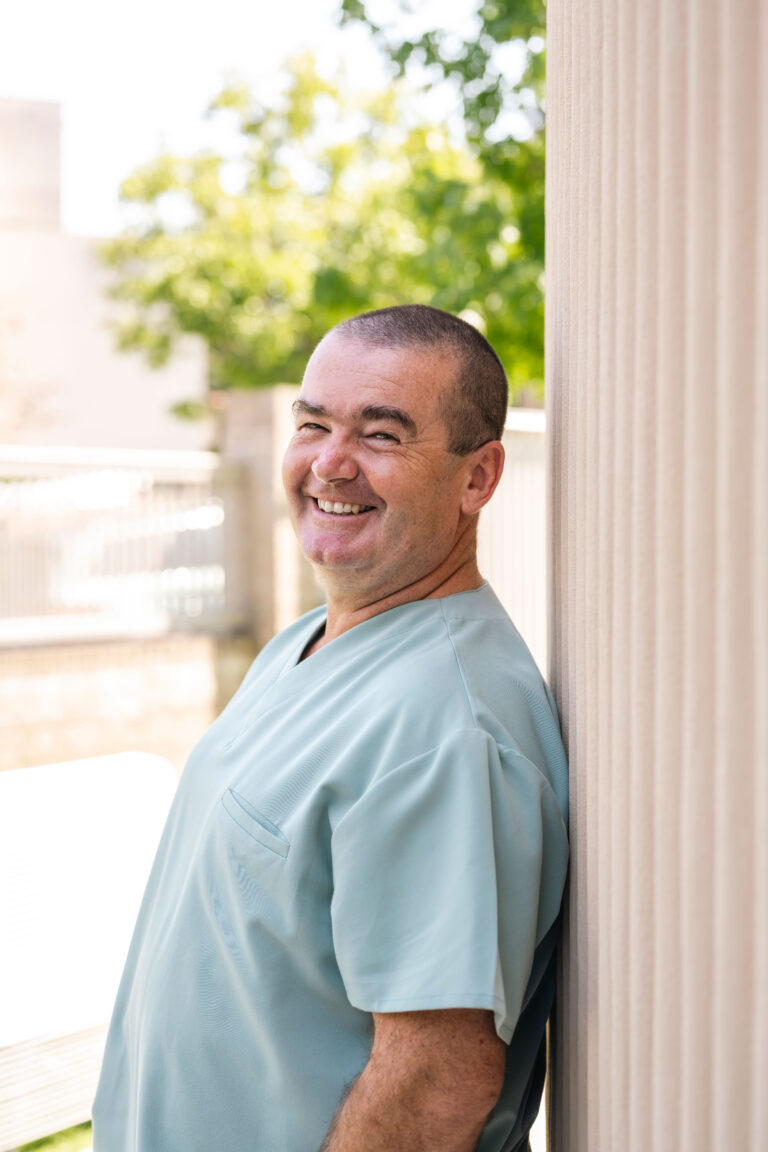
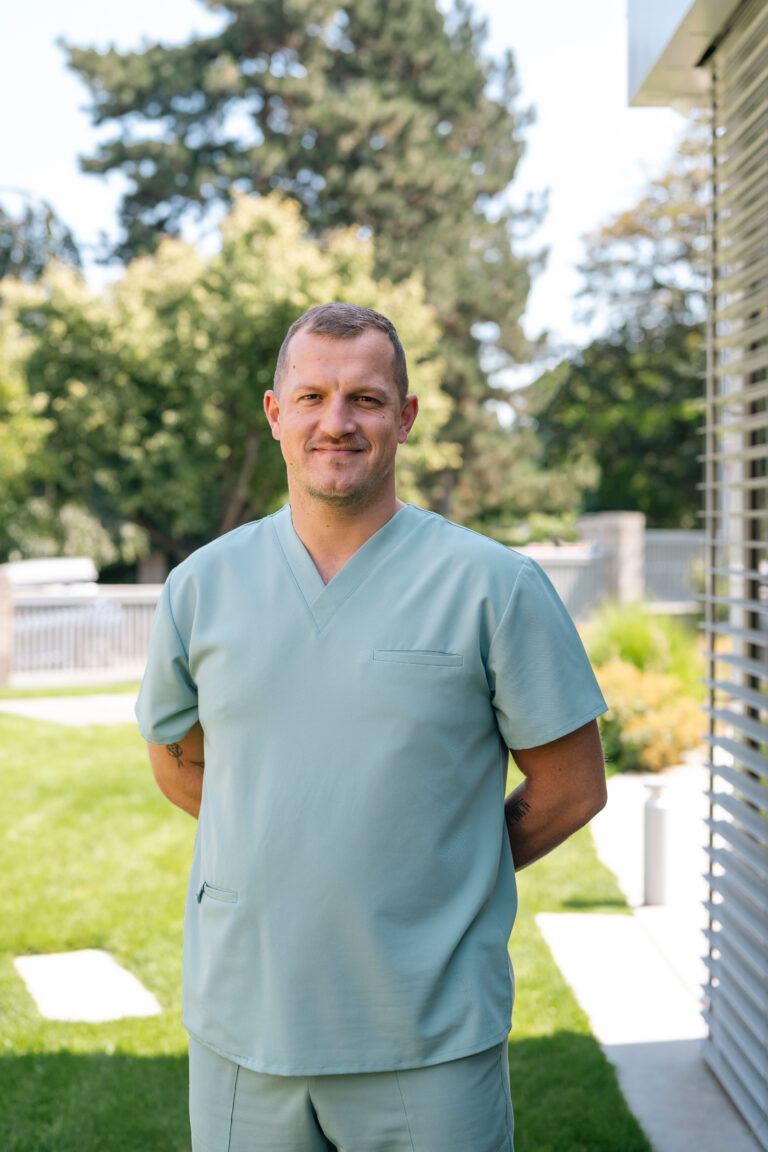
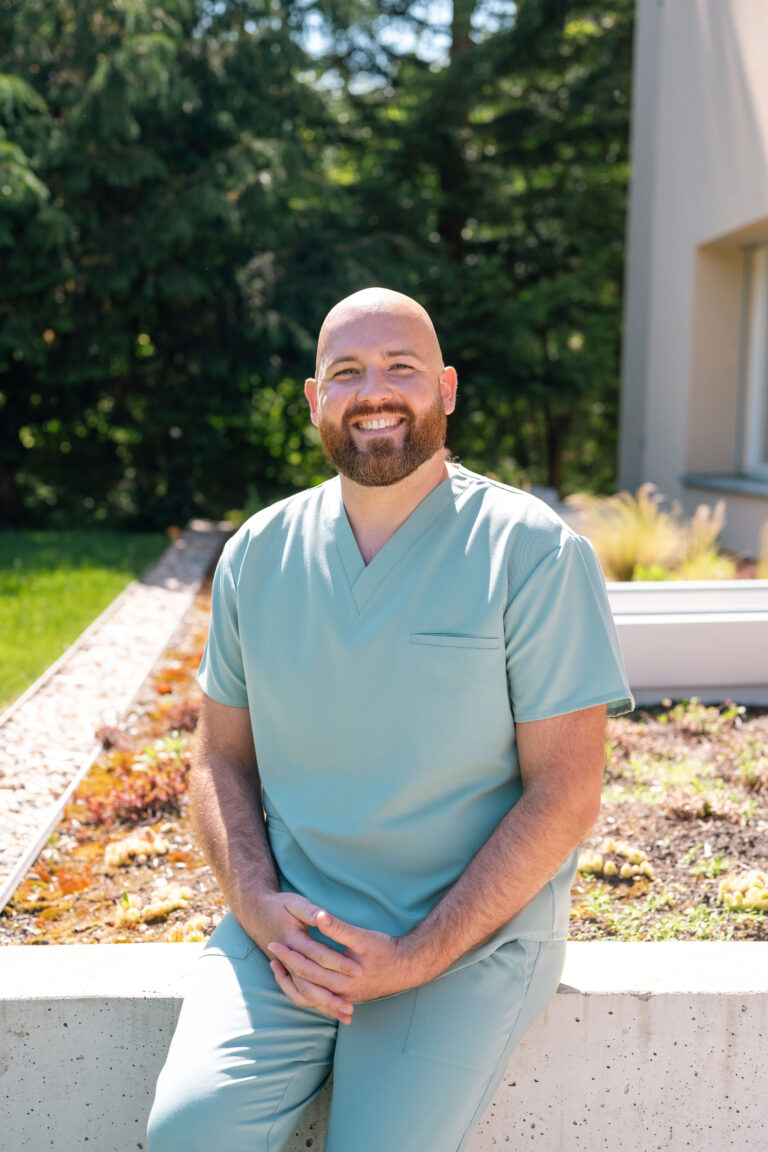
Our team
Who will take care of you?
Trust begins with people. Meet the team of specialists who will ensure your treatment runs smoothly and painlessly.
Your most frequently asked questions
We understand that you may have questions and concerns before undergoing treatment under anesthesia. We have prepared answers to the most frequently asked questions to help you feel safe and informed.
Can someone accompany me during the procedure under anesthesia?
Before the procedure, yes – especially in the case of pediatric patients, we recommend that a parent be present during sedation. After waking up, it is then possible to be in contact with the patient again.
Do you perform general anesthesia even on patients with health limitations?
Yes, our doctors also have experience in caring for high-risk patients.
How does the child behave after waking up from anesthesia?
Children may be tired, confused, or tearful after the procedure—this is a normal reaction to the medication wearing off. Our nurses are trained to be sensitive to this phase, and everything takes place in a calm environment under supervision.
How long does recovery take after surgery under anesthesia?
We perform procedures on an outpatient basis, which means that patients always go home on the day of the procedure. The length of recovery depends on the type of anesthesia and the specific procedure – we will always provide you with detailed information in advance.
Is it necessary to undergo a preoperative examination before the procedure?
Yes, a preoperative examination is necessary for procedures performed under general anesthesia, analgesia, or when using Midazolam. It serves to ensure maximum safety and to tailor the anesthesia to your health condition.
What about restrictions on eating and drinking before the procedure?
For procedures performed under general anesthesia, intravenous analgesia, and sedation with Midazolam, the patient must arrive on an empty stomach (fasting for at least 6 hours before the scheduled procedure). Before procedures involving nitrous oxide, it is not necessary to fast completely, but choose lighter meals and avoid dairy products. These can increase the risk of the patient feeling nauseous during treatment.
Book your appointment today
Leave us your details. We will contact you shortly to arrange an appointment.